
Social Security Disability
Finding a Social Security Disability Lawyer Who Speaks Spanish in Arizona

A Social Security disability claim is decided on medical records, work history and, usually, a hearing where every word a claimant says gets weighed. Doing that in a second language puts someone at a real disadvantage — one that has nothing to do with whether they are actually disabled.
If you are reading this in English on behalf of a parent, a spouse or another relative who does not read English comfortably, you are probably the one who will make the call, gather the paperwork, and explain what a lawyer says after the appointment ends. That is a common role, and it comes with real responsibility.
This page covers three things: what Social Security is required to provide for free regardless of who represents you, why the language spoken at the hearing itself matters more than most people expect, and what to ask before hiring anyone to handle the case.
What Social Security Is Required to Give You, Free
You do not need to hire anyone to get this.
Social Security provides a free interpreter for any contact with the agency — at a field office, over the phone, and at the administrative law judge hearing itself. This is not a courtesy that has to be requested with any special effort or paid for in any way. You are entitled to it.
- You can ask for an interpreter when you file, when you call, and again before any hearing is scheduled.
- You can request that Social Security’s written notices be sent to you in Spanish.
- The hearing is recorded, and the interpreter’s work becomes part of that official record.
Because a free, qualified interpreter is available, you should not bring a relative to interpret at a hearing, even one who is fluent and willing. It seems like the natural solution, but it puts a family member in the position of translating medical and legal testimony in real time, under pressure, without training, while also being emotionally involved in the outcome. Use the interpreter Social Security provides.
There is a real limit to what an interpreter does, however well the interpretation goes. An interpreter translates words. They do not know your medical history, they do not know what the judge is really asking or why, and they do not advocate for you. That job is the lawyer’s, and it stays the lawyer’s job whether or not an interpreter is also in the room.
Why the Language of the Hearing Matters More Than People Expect
A disability hearing is not simply a retelling of a medical history. The judge is assessing credibility, in part, based on how consistently a claimant describes pain, fatigue and day-to-day limitation across the file and the testimony. Nuance that gets flattened in translation — a qualifier dropped, a tense that does not map cleanly between languages — can read to a judge as inconsistency, even when nothing about the claimant’s account has actually changed.
Vocational expert testimony compounds this. A vocational expert describes, in fast and fairly technical language, what jobs someone with a given set of limitations could still perform, and that testimony can be challenged in real time. Following it well enough to know when to object, or to ask a clarifying question through counsel, is difficult even for an English-speaking claimant. Through an added layer of interpretation, it is harder still.
The place claims are most often lost, though, is quieter than a hearing: the function report and the daily-activity questions that come before it. “Can you cook?” is not really the question being asked. What matters is whether you can stand at a stove for the time it takes to prepare a meal, whether you need to sit and rest partway through, and whether you can do it two days in a row. A literal translation of “a veces cocino” — “I cook sometimes” — does not carry any of that. It can read on paper as more capability than the claimant meant to describe.
None of this is a reason to fear the process. It is a reason to be deliberate about who is helping fill out those forms, and about making sure the person writing down the answers understands what the question is actually trying to measure, in whichever language the conversation happens in.
What Changes When Your Lawyer Speaks Spanish, Not Just the Office
It is easy to miss when a firm advertises “se habla español” without being specific about what that means.
A bilingual receptionist can schedule an appointment, take a message, and make the initial phone call feel less intimidating. That is a real and useful thing. It is different from a bilingual attorney, who takes the client’s history directly, prepares the case, and stands with the client at the hearing — without a third person relaying meaning back and forth in between.
There is also a legal reason this matters beyond convenience. Attorney-client privilege protects what a client tells their lawyer. It does not cleanly extend to a family member who happens to be interpreting that conversation. A client speaking directly with a Spanish-speaking attorney avoids that gap entirely.
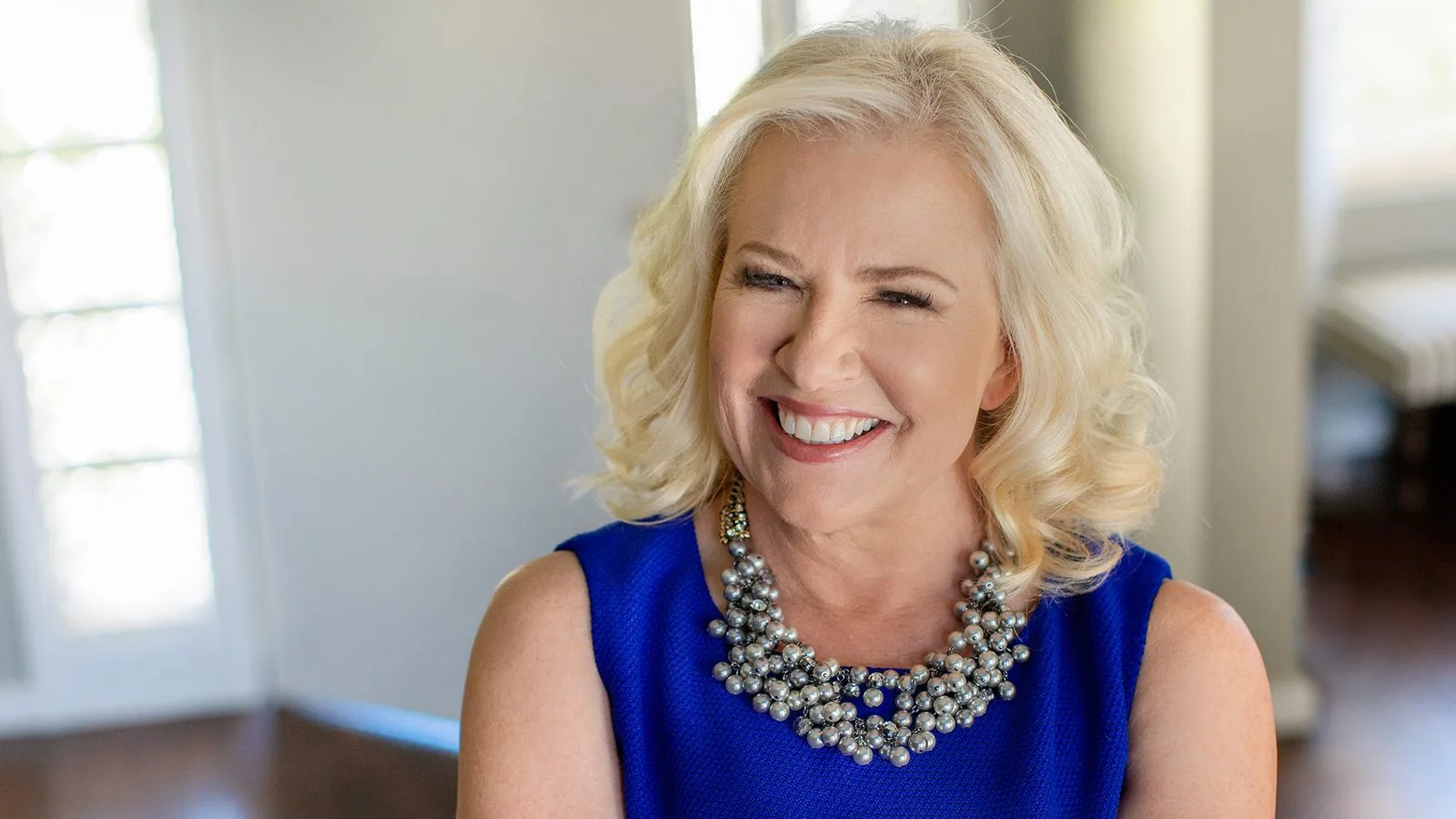
Stephanie Lake, the founder of American Disability Law, is a Board Certified Specialist in Social Security Disability Law and speaks Spanish. Social Security disability is the firm’s only practice area — it does not handle other kinds of law alongside it.
The Numbers an Arizona Claimant Should Know
These figures come from Social Security’s own published data, not from any firm’s records, and they are worth knowing before you talk to anyone.
- Arizona’s administrative law judges allowed 61.0 percent of the hearings they decided in fiscal 2025, against 58 percent nationally. Within Arizona, Tucson allowed 70.7 percent, Phoenix North 54.6 percent, and Phoenix Downtown 56.3 percent.
- For 2026, substantial gainful activity is $1,690 a month for most claimants, or $2,830 a month for claimants who are blind. Earning above that threshold generally affects eligibility.
- Representation is paid on a contingent fee: 25 percent of past-due benefits or $9,200, whichever is lower, and the fee has to be approved by Social Security. No attorney fee is owed if the claim does not win.
SSDI or SSI, in Brief
SSDI is based on work history. It pays benefits to people who have worked and paid into Social Security long enough to be insured, and the amount is tied to their earnings record. The average SSDI benefit nationally runs around $1,630 a month.
SSI is based on need rather than work history. It is available to people with limited income and resources, including those who have not worked enough to qualify for SSDI, and it pays a federal benefit rate of $994 a month in 2026. This distinction matters in households where one spouse has a long work record and the other does not — they may end up filing for different programs, or both.
What to Ask Before You Hire Anyone
These questions are worth asking regardless of which firm you end up choosing. A straight answer to each one tells you most of what you need to know.
- Will the attorney handling my hearing speak Spanish with me directly, not through a receptionist or a paralegal only?
- Is Social Security disability the firm’s only practice area, or one of several?
- Who actually appears at the hearing?
- What is the fee, and what happens if the claim does not win?
- Where is the hearing held, and does my case require travel to get there?
A firm that answers these plainly, before you have signed anything, is behaving the way a Social Security disability practice should. If an answer is vague on any of them — especially who appears at the hearing — ask again before you decide.
On that last point, American Disability Law’s office sits at 3737 N 7th St, Suite 260, in Phoenix — the same building that houses Social Security’s Phoenix hearing office.
Talk to Us in Spanish
If the person with the claim is more comfortable in Spanish, they can reach the firm in Spanish directly, on the Spanish-language page, which has its own consultation form. There is no cost for an initial case review, and, as above, no fee at all unless the claim is won.
Everything on this page, written in Spanish for the claimant rather than for the person helping them: Abogada de Incapacidad del Seguro Social que Habla Español en Arizona. It is a separate article, not a translation of this one — send that link to the person with the claim.
Call (602) 200-9090 or start a free case review online. If you are appealing a recent denial, this article on what to do after an SSDI denial in Arizona covers the deadlines and the process in more detail, and Arizona disability approval rates by stage and hearing office has the full numbers behind the figures above.